Coconut shell charcoal making process starts with collecting high quality coconut shells, which serve as the foundation for durable, long lasting briquettes. This careful selection guarantees consistent heat and minimal smoke during cooking and grilling.
By understanding each step of the process, buyers and cooks can choose superior charcoal that burns evenly, enhances food flavor, and delivers reliable performance every time. Proper preparation at this stage also reduces waste and ensures eco-friendly production.
Selecting and Preparing Coconut Shells for Charcoal Making Process
First, choose fully matured coconut shells for optimal density and low moisture. Consequently, these shells burn longer and produce consistent heat.
Next, clean the shells thoroughly to remove husks, dirt, and residues. This preparation prevents impurities from affecting final charcoal quality.
Finally, dry the shells completely under sunlight or in a controlled dryer. Proper drying reduces smoke and improves ignition during the burning process.
Carbonization in Coconut Shell Charcoal Making Process
The carbonization stage transforms dried shells into solid charcoal. Place the shells in a kiln or furnace with limited oxygen.
As a result, the shells release moisture and volatile gases, leaving behind high carbon content. This step ensures the briquettes burn hotter and longer than regular wood charcoal.
Shaping and Packaging Charcoal from Coconut Shell
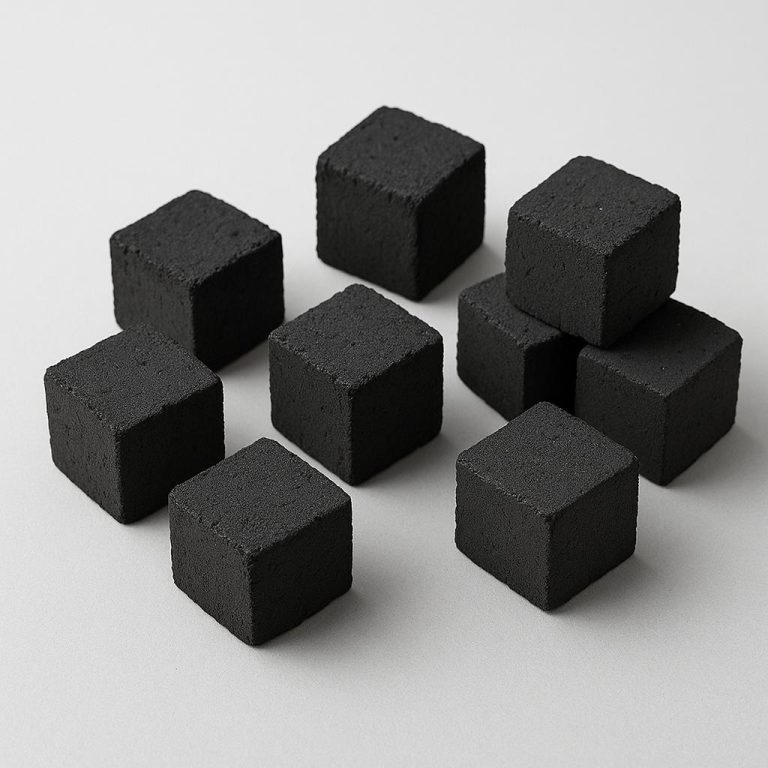
After carbonization, break the shells into uniform pieces and press them into briquettes using molds and binders. These uniform briquettes distribute heat evenly, prevent hot spots, and produce less ash for cleaner grilling.
Their uniform shape makes stacking and handling easier for BBQ, shisha, and outdoor grilling. As a result, users benefit from stable heat, improved fuel efficiency, and a smoother cooking experience.
Quality Control in Coconut Shell Charcoal Making Process
Carefully check the moisture levels, hardness, and density of each batch to ensure top quality charcoal. Maintaining consistent quality guarantees reliable performance for both professional chefs and home cooks.
Proper testing prevents uneven burning, reduces smoke, and ensures every briquette delivers steady heat. Additionally, quality control extends shelf life and makes handling easier, providing buyers with durable, high-performance coconut shell charcoal for all cooking applications.
Advantages of Making Charcoal from Coconut Shell
Coconut shell charcoal is eco-friendly because it uses renewable coconut waste. Therefore, it reduces environmental impact compared to traditional wood charcoal.
Additionally, it produces steady heat and minimal smoke. Consequently, food retains natural flavors and aroma during grilling.
Customers consistently give positive feedback. According to making charcoal from coconut shell, this method yields durable, clean-burning briquettes ideal for various cooking needs.
How Buyers Can Benefit from Coconut Shell Charcoal
oconut shell charcoal delivers consistent heat for BBQs, shisha, and outdoor us. Its long burn time and consistent heat improve overall cooking experience.
Also, buyers can explore more products and tips at Doyan Masak. The website provides guides, bulk purchasing options, and customer support for smooth transactions.
Conclusion
Overall, coconut shell charcoal making process creates high quality, eco friendly, and long lasting briquettes. From selecting shells to packaging, each step ensures reliable performance.
Switching to coconut shell charcoal enhances grilling experiences while supporting sustainable practices. Therefore, anyone seeking consistent heat, low smoke, and durable fuel will find it the ideal choice.