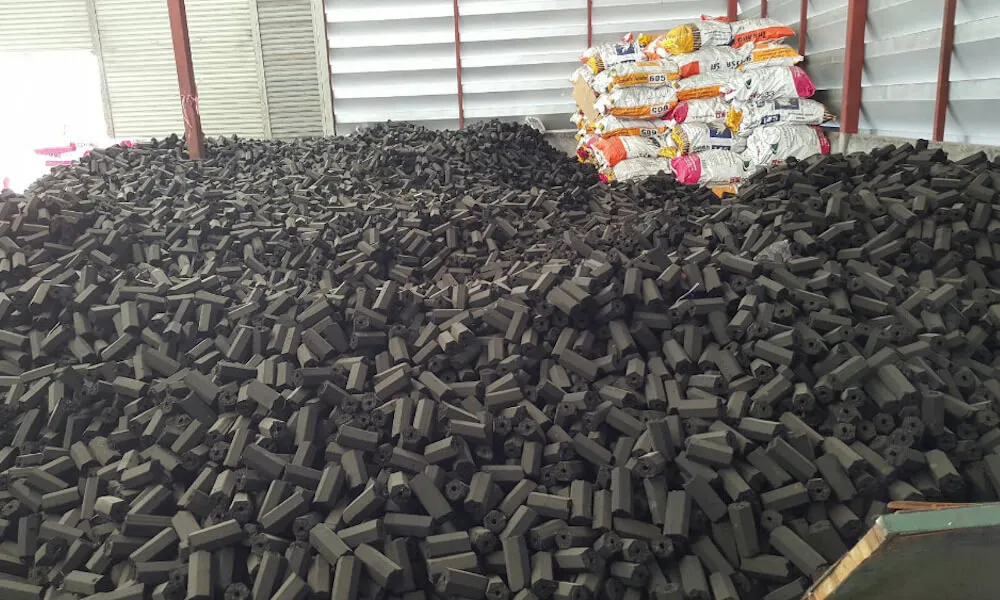
Indonesia has become one of the leading exporters of briquettes in the global market. In addition, increasing international demand for eco-friendly fuel products has made this industry more regulated and structured. Therefore, understanding export regulations briquettes in Indonesia is very important for anyone who wants to enter this business legally and successfully.
Importance of Export Regulations
First of all, export regulations are designed to ensure that all international trade activities follow legal and quality standards. Moreover, these regulations help protect both exporters and importers by ensuring product safety, proper documentation, and compliance with global trade laws.
As a result, companies that follow regulations properly are more likely to build trust with international buyers. In fact, most global importers only work with exporters who comply with official export rules.
Step 1: Business Legal Requirements
To begin with, every exporter must have a legally registered business entity such as PT or CV. This is very important because international trade requires official recognition.
Furthermore, several key documents are required, including:
- Business Identification Number (NIB)
- Tax Identification Number (NPWP)
- Exporter Identification Number (API-E)
- Company registration documents
In addition, having complete legal documentation helps ensure smooth customs processing and increases buyer confidence.
Step 2: Product Compliance Standards
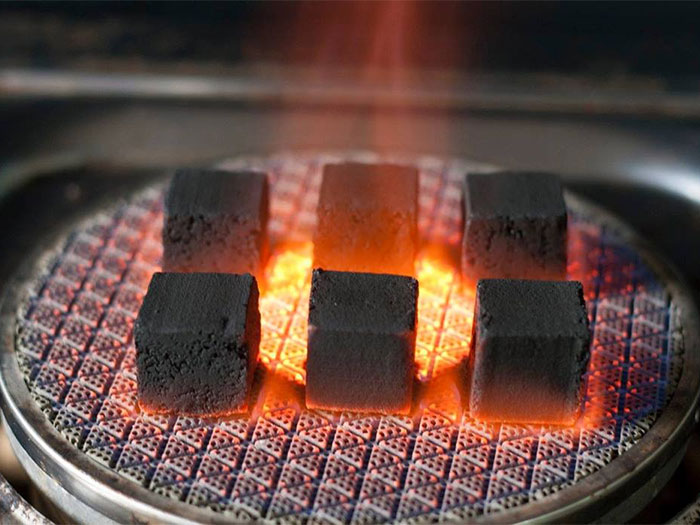
Next, exporters must ensure that their products meet international quality standards. In fact, countries that import briquettes are very strict about product specifications. Therefore, exporters must maintain:
- Low moisture content for efficient burning
- High carbon purity for better performance
- Uniform size and density
- Safe and durable packaging
Moreover, products such as coconut shell charcoal briquette must also pass certain quality checks depending on the destination country.
Step 3: Export Documentation Rules
Furthermore, documentation is a critical part of export regulations. Without proper documents, shipments can be delayed or rejected at customs. Therefore, exporters must prepare:
- Commercial invoice
- Packing list
- Bill of lading
- Certificate of origin
In addition, some countries may require additional certifications or lab test results depending on their import policies.
For a deeper explanation of export procedures, you can also check this guide: How to Export Briquettes from Indonesia.
Step 4: Customs and HS Code Regulations
After that, exporters must comply with customs regulations, including correct HS code classification. This is very important because incorrect classification can lead to penalties or shipment delays.
Moreover, customs authorities may inspect goods to ensure compliance with international trade rules. Therefore, accuracy in documentation and product description is essential.
Step 5: International Trade Compliance
Meanwhile, different countries have different import regulations. For example, European countries often require stricter environmental standards compared to other regions.
As a result, exporters must always research destination country requirements before shipping goods. In addition, staying updated with trade policies helps avoid unnecessary risks.
Challenges in Export Regulations
However, complying with export regulations is not always easy. For example, new exporters often struggle with documentation, certification, and changing international rules.
Therefore, continuous learning and proper guidance are very important to ensure long-term success in the briquette export industry.
Conclusion
In conclusion, export regulations briquettes in Indonesia play a crucial role in ensuring safe, legal, and successful international trade. Moreover, compliance with these rules helps exporters build trust and credibility in the global market.
Ultimately, success in this business depends on discipline, legal awareness, and proper understanding of export procedures. With the right approach, Indonesian exporters can compete effectively in the global briquette industry.