Getting great results from a charcoal grill starts with one thing: understanding heat. Many people light the coals and hope for the best. However, skilled grillers know that charcoal heat control grilling techniques are what separate good food from truly outstanding food.
Whether you grill at home on weekends or run a food business, mastering heat control will change the way you cook forever.
Why Heat Control Defines Charcoal Grilling Success
Charcoal grills do not have a dial or thermostat. That is exactly what makes them exciting and challenging. Unlike gas grills, charcoal gives you direct control over the fire through airflow and coal arrangement.
When you understand heat zones, you can cook different foods simultaneously. Thick cuts need indirect heat, while vegetables and thin meats thrive over direct high heat.
Build a Two-Zone Fire for Better Grilling Heat Control
The two-zone method stands as one of the most effective charcoal heat control grilling techniques beginners should learn first. Simply pile coals on one side of the grill and leave the other side empty.
This setup creates a hot zone for searing and a cooler zone for slow cooking. You can move food between zones anytime you want to manage doneness and protect the exterior from burning.
Here is how to build a two-zone fire:
- Fill a chimney starter with charcoal briquettes
- Light the starter and wait until coals turn ash-gray
- Pour all coals to one side of the grill
- Place your cooking grate and close the lid for 5 minutes
This simple method gives you impressive flexibility during every grilling session.
Use Vents to Fine-Tune Charcoal Grilling Temperature
Your grill’s vents serve as the most powerful tools you have. Opening the bottom vent increases airflow, feeds the fire with oxygen, and raises the temperature. Closing it partially starves the fire and brings the heat down quickly.
The top vent controls smoke and temperature simultaneously. Keeping it fully open draws heat upward and maintains strong airflow. Closing it partially traps heat and moisture, which helps meats cook low and slow more effectively.
For a high-heat sear around 450–500°F, open both vents fully. For low-and-slow cooking around 225–275°F, open the bottom vent a quarter of the way and keep the top vent halfway open.
Every serious griller should practice vent adjustments consistently. For more context on fuel types and fire behavior, wilkemachinery.com offers a wide range of helpful grilling and equipment-related references.
Choose the Right Charcoal to Improve Grilling Heat Techniques
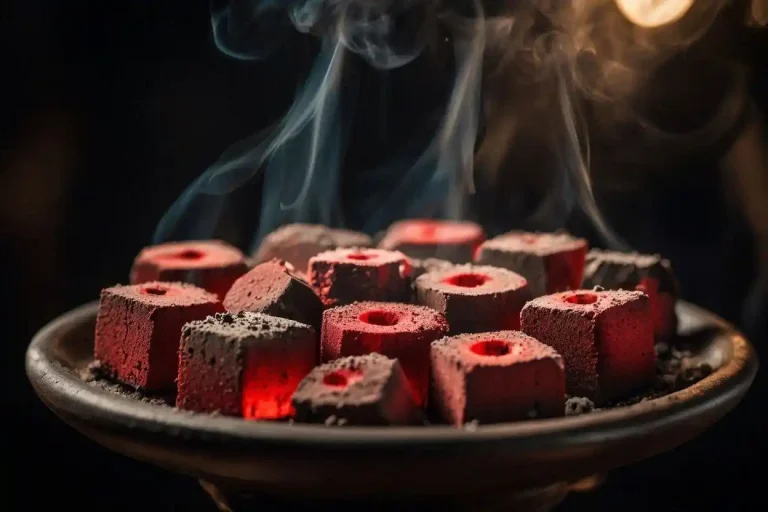
Not all charcoal performs the same way. Lump charcoal burns hotter and faster, while briquettes burn longer and more evenly. Your fuel choice directly shapes how well you manage heat throughout a grilling session.
For long cooks like brisket or whole chicken, briquettes deliver the smarter outcome. They hold a consistent temperature so you can focus on other preparations. If you want to explore charcoal briquettes grilling tips in more detail, understanding burn time and heat output gives you a strong starting point.
Meanwhile, lump charcoal suits high-heat, short-duration grilling like steaks and burgers. Experienced grillers often mix both types so they can enjoy the advantages each fuel brings to the fire.
Conclusion
Charcoal heat control grilling techniques give every griller a clear path to consistent, delicious results. Building a two-zone fire, adjusting vents with intention, and selecting the right charcoal fuel all work together to give you full command of the cooking process. When you apply these methods with patience and regular practice, every grilling session becomes more predictable, more enjoyable, and more rewarding whether you cook for family or serve customers at a professional level.